Day one of a ‘cheeky’ mini-break in Berlin (travelling and arrival).
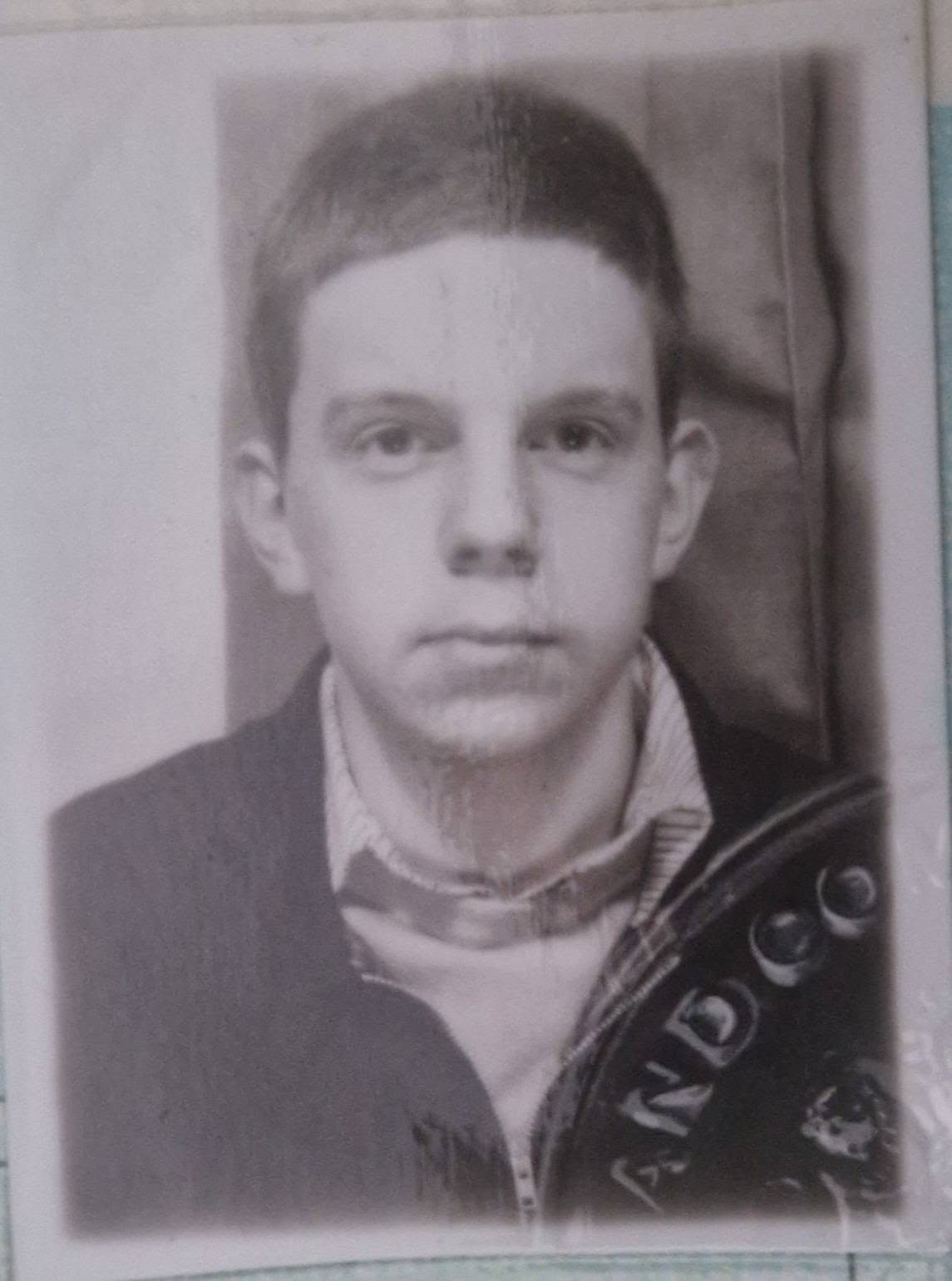
It’s almost fifty-years to the day since my first ever trip abroad. I was still in school at the time. In the summer of 1976 little me was oblivious to the upcoming punk revolution that would change my life, and I was in the Army Cadets. We had a two week ‘camp’ in West Berlin in the school holidays, staying with the Welsh Guards. Today is not my first return to Germany, but it is my first return to Berlin.
Many of the cities I have visited in recent years, particularly those that are in former ‘Eastern Bloc’ countries, will have seen massive changes in those fifty years. It is debatable whether Berlin has seen changes that are more dramatic than any other, however, it is indisputable that the changes in Berlin have not only been dramatic, they have been unique. No other city in the world has gone through the bizarre transformation Berlin has.
Berlin, the capital city of Germany, has been around longer than Germany itself. The oldest evidence of human life in Berlin goes back 9000 years, before Jesus was a twinkle God’s eye. The first evidence of settlements goes back two millennia before JC. Fast forward to 1731 and Berlin was part of the Prussian Empire and the Berlin Customs Wall was built around the city. It wasn’t intended for defence of the city, or anything practical like that, it was purely financial, so they could tax people coming in and out of the city.
The Thirty Years’ War (1618 to 1648), when the Catholics and Protestants had a punch up over the remains of the Holy Roman Empire, devastated Berlin. One third of Berlin’s houses were damaged or destroyed and the city lost half of its population.
Fast forward to 1871 (if you’re looking for a comprehensive history of the city, you really are reading the wrong blog) and Berlin became capital of the newly founded German Empire.
Between 1914 and 1918 Germany was preoccupied with one of the most horrendous episodes of world history, World War One (or The Great War, as it was known before they felt the need to start numbering world wars). Berlin, however, seems to have come out of it with very little structural damage.
WWI was often billed as ‘the war to end all wars’. Unfortunately, this was false advertising. Nothing could be further from the truth. In a few short years we saw the rise of Hitler’s Nazi Party and the devastation of another World War that engulfed the whole of Europe and beyond between 1939 and 1945.
Between 1939 and 1942 Allied bombers targeted mainly military targets. Then, as a consequence of Hitler blitzing civilians in UK cities, the RAF took off their gloves and bombed the shit out of everything, including Berlin. There were three-hundred and sixty-three air attacks by the Allies and more by the Russian Air Force, leaving 80% of the city in ruins by the end of the war. 1.7 million people (40% of population) fled the city to escape the bombing. Between twenty and fifty thousand civilians perished during the raids. World War Two only lasted six years, but it was far more devastating for Berlin than the thirty year war.
As the dust settled and peace broke out across war-torn Europe, reconstruction was the order of the day. Things got a bit complicated for Berlin though.
Germany had been carved up at the end of the war: the Allies took control of West Germany and Russia / Soviet Union took control of East Germany (and indeed much of Eastern Europe).
A new republic was set up in the west, The Federal Republic of Germany, which on the whole was an independent state. The east, meanwhile, became The German Democratic Republic (DDR), which was to all intents and purposes, a puppet of Moscow and formed part of what was known as The Eastern Bloc.
It was also decided to carve up Germany’s Capital City, Berlin. The UK, USA and France having their own sectors in the west (although, effectively it was one big sector) and the DDR controlling the east. Which meant you had half the city operating as a capitalist city with one currency, and the other half run on socialist principles – and a different currency.
Initially many people from the east would go to work in the west of the city because they had better wages, whilst people in the west would pop over to the east for a cheap haircut and visit relatives. Some people in the east used to head west to buy luxury goods they couldn’t get in eastern shops, but they simply didn’t have the spending power of those working in the west.
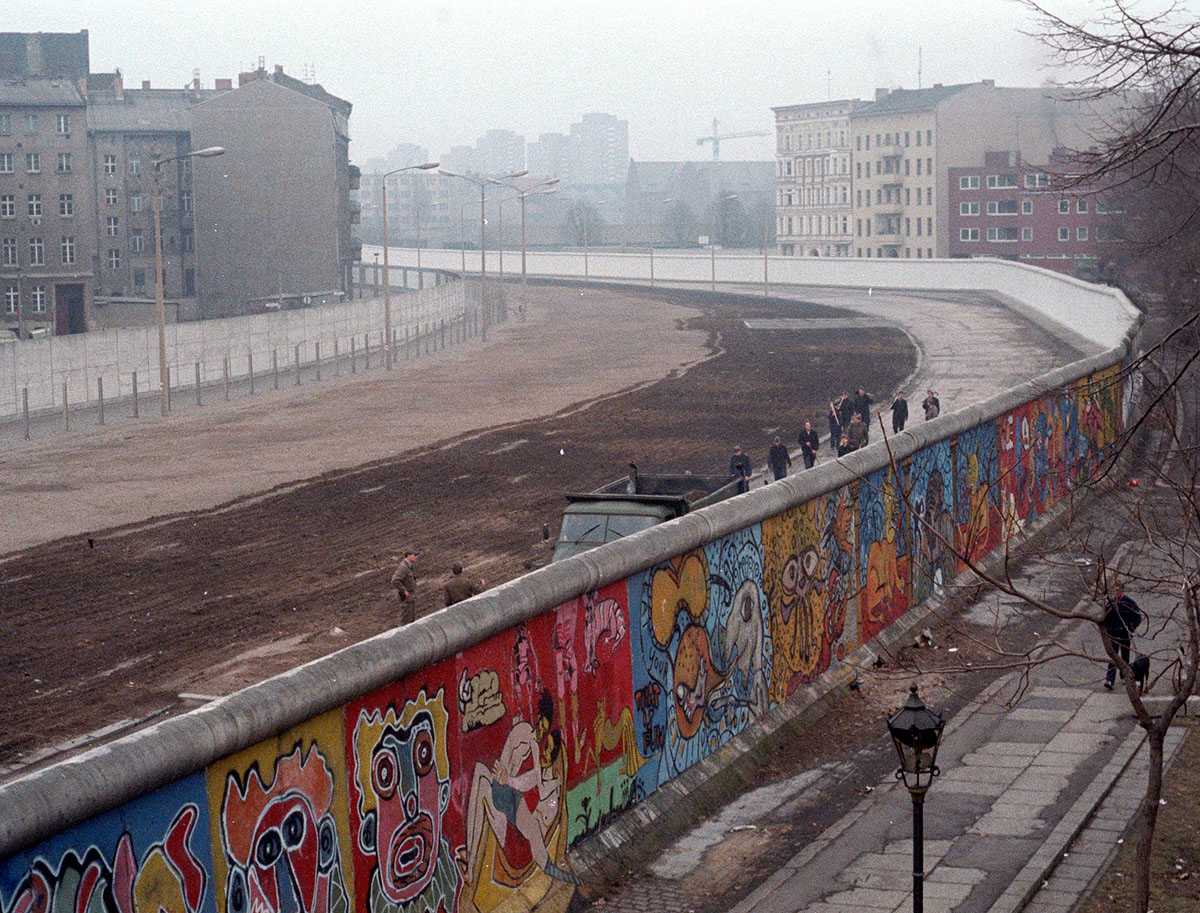
In 1961 the DDR decided it was fed up with people going over to the west and not coming back, so they built another Berlin wall. This time it wasn’t for collection of taxes, it was to restrict the flow of people and ideas across the border. Depending on your outlook it was to stop people going into East Berlin, or out of East Berlin. (In reality it was to stop the outward flow.)
Many families that lived just a few streets away from each other were suddenly torn apart. Initially it was just a barbed wire fence, but so many people crossed this ‘wall’, it was slowly but surely fortified to the point of being almost uncrossable. By 1975 the wall was made up of two huge concrete walls 100m apart, with tank traps, dogs, big spikey things, gun towers and dragons in the middle – the area between the walls being known as ‘the kill zone’ – and around one hundred and fifty people died trying to cross it between 1961 and 1989.
To create the wall they had to knock down hundreds of buildings, evicting thousands of families.
If that wasn’t complicated enough, Berlin, the capital of both East and West Germany, was 160km inside East Germany. On June 24th, 1948, the Soviet Union blockaded land and water routes into West Berlin. Two days later the Allies commenced a huge ‘airlift’ operation, flying in everything the people of West Berlin needed, from cement, bread and medicines, to beer, books and fridge-magnets. This lasted almost a year, until common sense prevailed and the land routes were finally reopened.
The land routes, at the time of my visit in 1976, consisted of a ‘corridor’ with a road and a rail line, flanked by huge fences and armed guards. And it was on the train that little me travelled into the city for my first international adventure.
We stayed in Spandau Barracks, overlooking Spandau Prison. The prison was a remarkable building with a unique use at the time of our visit, the sort of story that could only happen in Berlin.
Although not a British prison, it was manned by British troops for three months of each year (Jan, May & Sep) – the other nine months being shared amongst the Americans, French and Soviets.
The prison was originally built in 1876 for use as a military prison, but after the Second World War used to house just seven Nazi war criminals (the prison had held six hundred prisoners at its peak, so you can imagine the room these Nazis had). They arrived on 18th July 1947, with the last one leaving (by means of a coffin) on 17th August 1987. This last one being the infamous Rudolf Hess, who had committed suicide after being the solitary remaining prisoner since 1966. After his suicide, the prison was demolished to prevent it becoming a magnet for neo-Nazis. The rubble was then dumped in the North Sea.
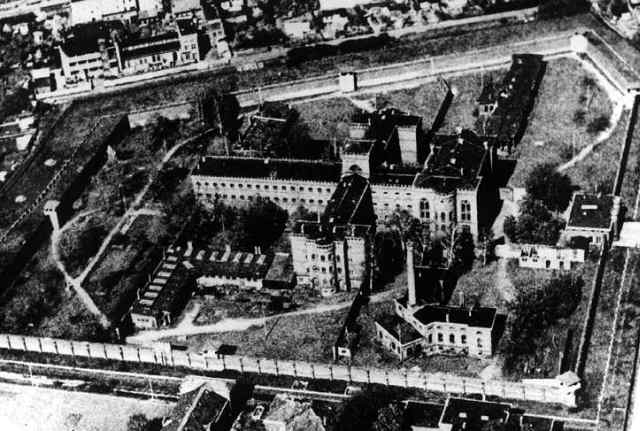
Spandau Barracks was on the other side of the road to the prison and we would often spend an hour or so looking over to the prison to see if we could spot the Furher’s former deputy on walkabout – before we headed down the pub. That was another anomaly of Berlin, the legal age for drinking was fourteen years of age, so Berlin was the first place I legally got drunk. We even went nightclubbing at the weekend.
We went on what Johnny Rotten would later describe as ‘a cheap holiday in other people’s misery’: a sightseeing coach trip around the east of the city. We drove through Check Point Charlie, one of only a handful of authorised crossing points in the wall. It was the only one under the control of the Allies and was a feature in many cold war books and movies. I vaguely recall a fat Soviet guard on the other side who was famous for just smiling and not having a clue what was going on. We weren’t allowed off the bus and had an armed escort to ensure we didn’t break that rule.
Things all changed in 1989, with the fall of the Berlin Wall, the collapse of the Soviet Union and the reunifcation of Germany. Berlin is a very different city now – but I’ll leave that for day two’s blog.
I’d been wanting to revisit Berlin for yonks. We had spotted a bargain break advertised in a local travel agent and snapped it up. One of the reasons it was so cheap was we didn’t even have overhead luggage allowance, just a small bag to go under the seat. This means this trip will be my first for ages without me big boy’s camera, which is frustrating, but could be liberating, not having to worry about lugging expensive, not to mention heavy, gear around with me. It also means I’m limited on how many pairs of clean pants I can bring. And hopefully it will be shorts weather.
In the run up to the trip we had done quite a bit of research, we have sussed the best historic sites to check out. But for our first full day we have an ‘alternative’ walking tour lined up, looking at bohemian areas away from the traditional tourist traps. I’ve even booked us tickets to see New Candys, a psychedelic shoe-gaze band from Italy playing in a cool little club on Monday night.
But first, we have to get there.
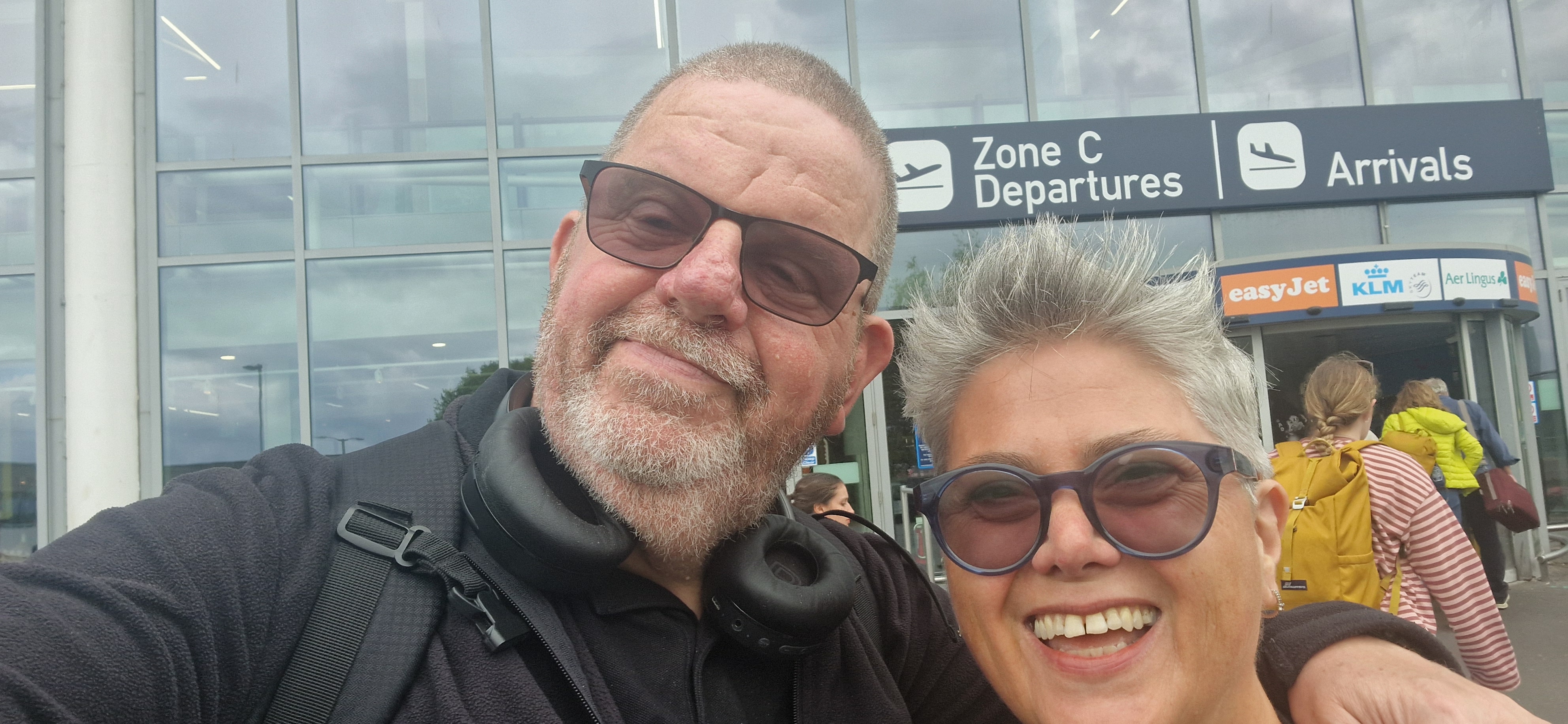
It’s a while since we have flown from Bristol, and the new clean air zone caught me out. I thought we would skirt around it but we clipped the edge of it, adding a tenner onto our cheap trip.
The flight is later than I would have preferred, but it does mean we didn’t have to rush, and we could sink a few bevvies in the airport lounge. It’s quite a nice lounge with a wide variety of restaurants to be fleeced by.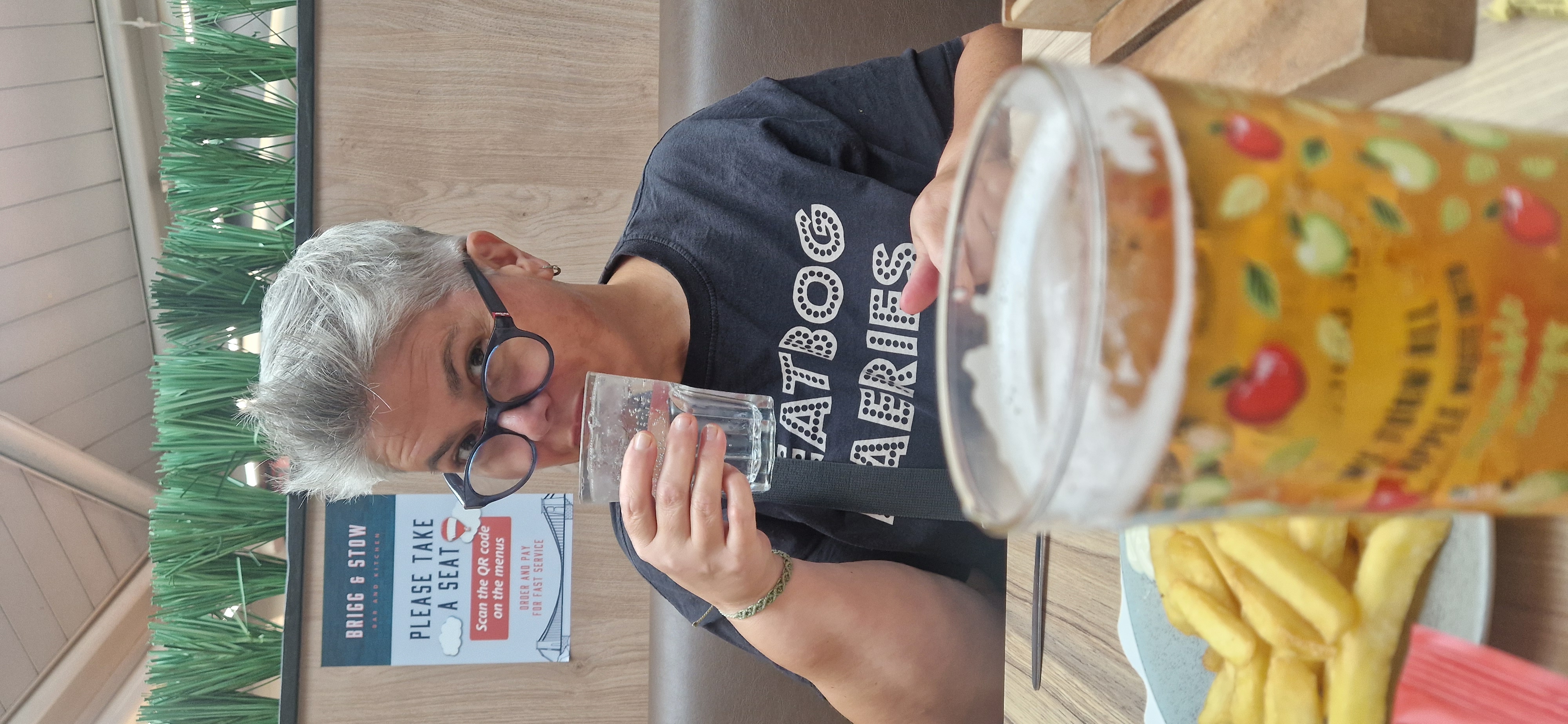
The flight is delayed slightly and when we eventually get to Berlin, there’s a huge queue for passport control. This means our pre-booked taxi has to hang around for us.
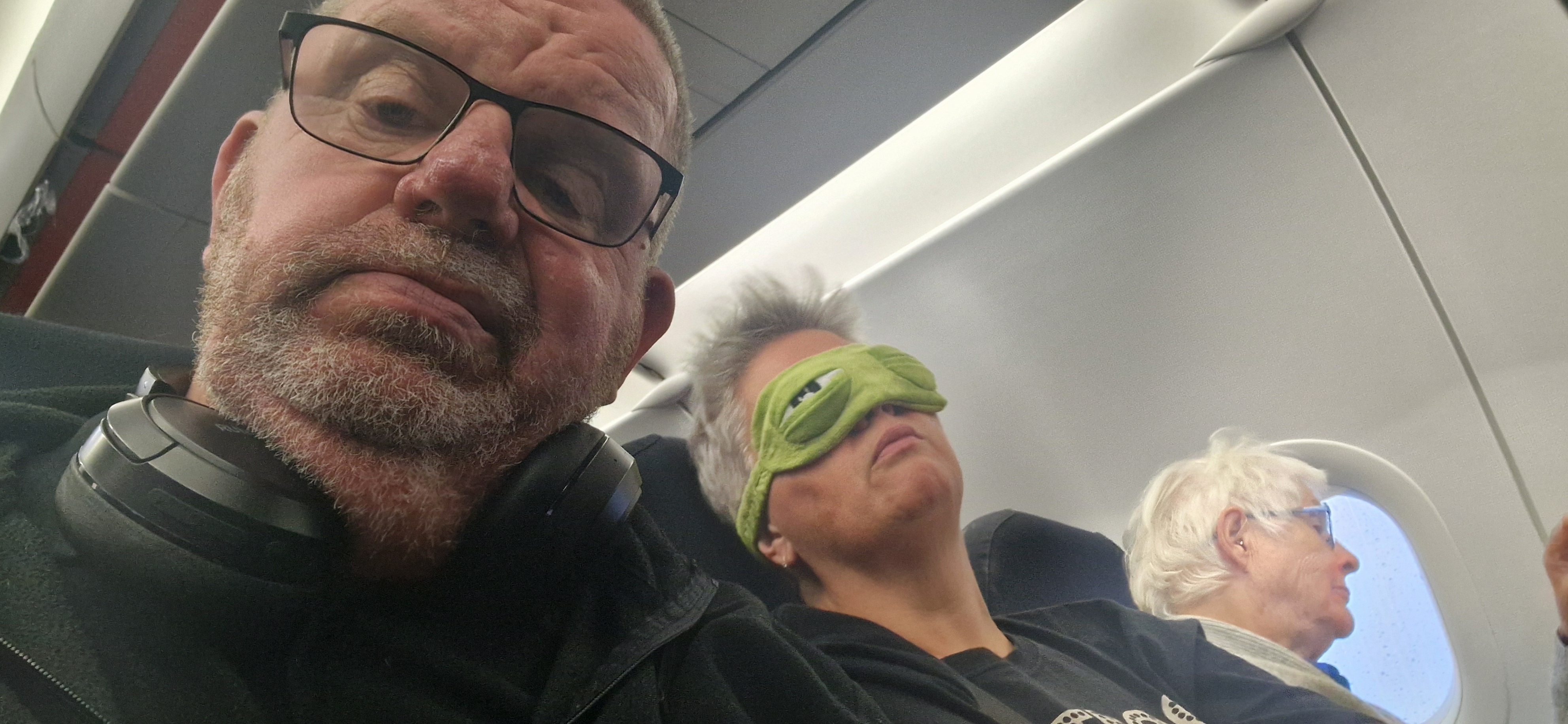
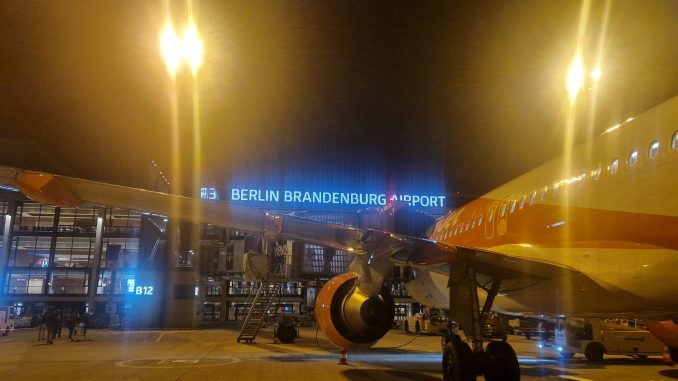
The airport is quite new. After reunifcation of Germany, they decided Berlin needed a new airport, so started planning straight away. However, it didn’t finally open until 2020.
It has a train station and you can get a train straight into the city centre for just 4euros. However, as we were arriving quite late, we splashed out and pre-booked a taxi via ‘Welcome Pickups’. We have used them before and they’re quite reliable and professional.
After passport control we are soon being greeted by Kujeet Singh, our driver. He’s pleasant and helpful and we learn of the degree course he is studying in Berlin.
Thirty minutes later we are being dropped outside our hotel. It’s closed.
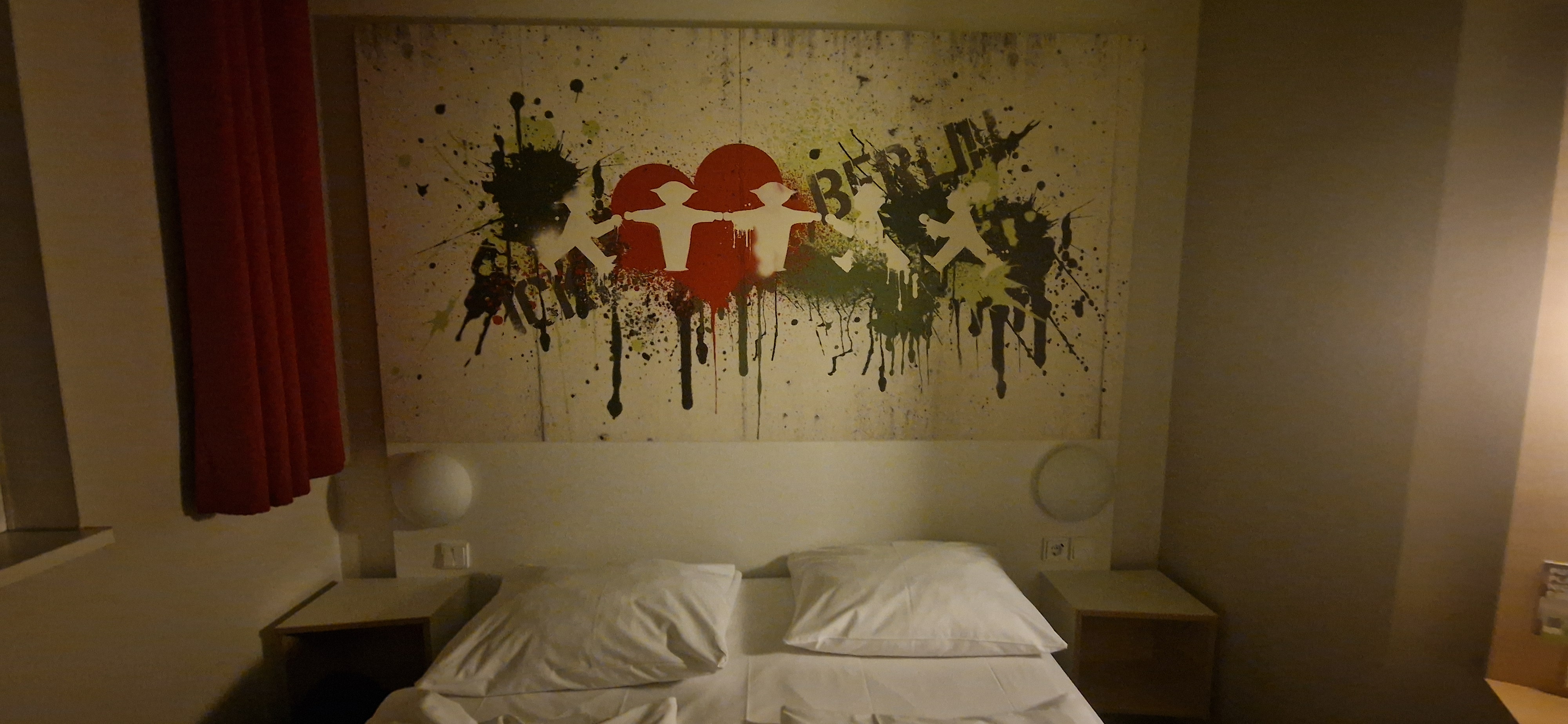
But hey, it’s the twenty-first century, so we spend ten minutes dealing with a smart check-in screen and are soon resting our weary heads for our first night in Berlin. The adventure begins proper tomorrow.