Old zinesters never die, they just start using card readers: An evening talking about zines in Shoreditch.
The day started out with me shouting ‘KILL THE COMPUTERS’ to a deaf relative who hadn’t put her hearing aids in. There was an article on the news about AI and the term ‘kill switch’ had flashed across the screen. I think she was worried computers were being built with a switch to kill humans. Well, maybe they are, but I don’t think that’s what the term ‘AI kill switch’ meant here. In fairness, the article followed a story about Trump’s Space Force developing space weapons (both kinetic and non-kinetic, whatever the fuck that means), so we can’t quite rest easy.
Skynet, Terminators and The Matrix weren’t the first thing that went through my head when I heard the term ‘Kill Switch’. The first thing I thought about was the hard-core punk band DB Killswitch from South Wales. Probably because I’m a geek. And when the going gets weird, the weird get geeky.

It’s like when we were stood at a bus stop outside Fairfield Halls in Croydon I said to Megan, “Did you know Captain Sensible met Rat Scabies in there when they were cleaning toilets?” Or last week when my brother-in-law told me he had been on a rock-n-roll walking tour of Croydon, I said “I bet Johnny Moped came up a lot”.
Some of us are just obsessed with trivia. I couldn’t tell you which week the general waste bins go out, where the remote for the telly is or why I went out into the kitchen half an hour ago. However, I can tell you that the fifty pence piece with hands on it designed to commemorate the UK entry into the EEC in 1973 was designed by the father of Ed Wynne, guitarist with Ozric Tentacles (rumors that Ed’s hand is on there are untrue. It was his sister). I know where all the boot boys have gone (they’ve all grown up and drink tea from a cup – according to Slaughter and the Dogs) and I know that Dave Gilmour gave The Television Personalities a spot on his tour in 1984 because they had a song called ‘I Know Where Syd Barrett Lives’, then sacked them when they read his address out on stage.
Some geeks feel the need to record all this nonsense, often in a zine. Not all geeks make zines, but all zine makers are geeks.
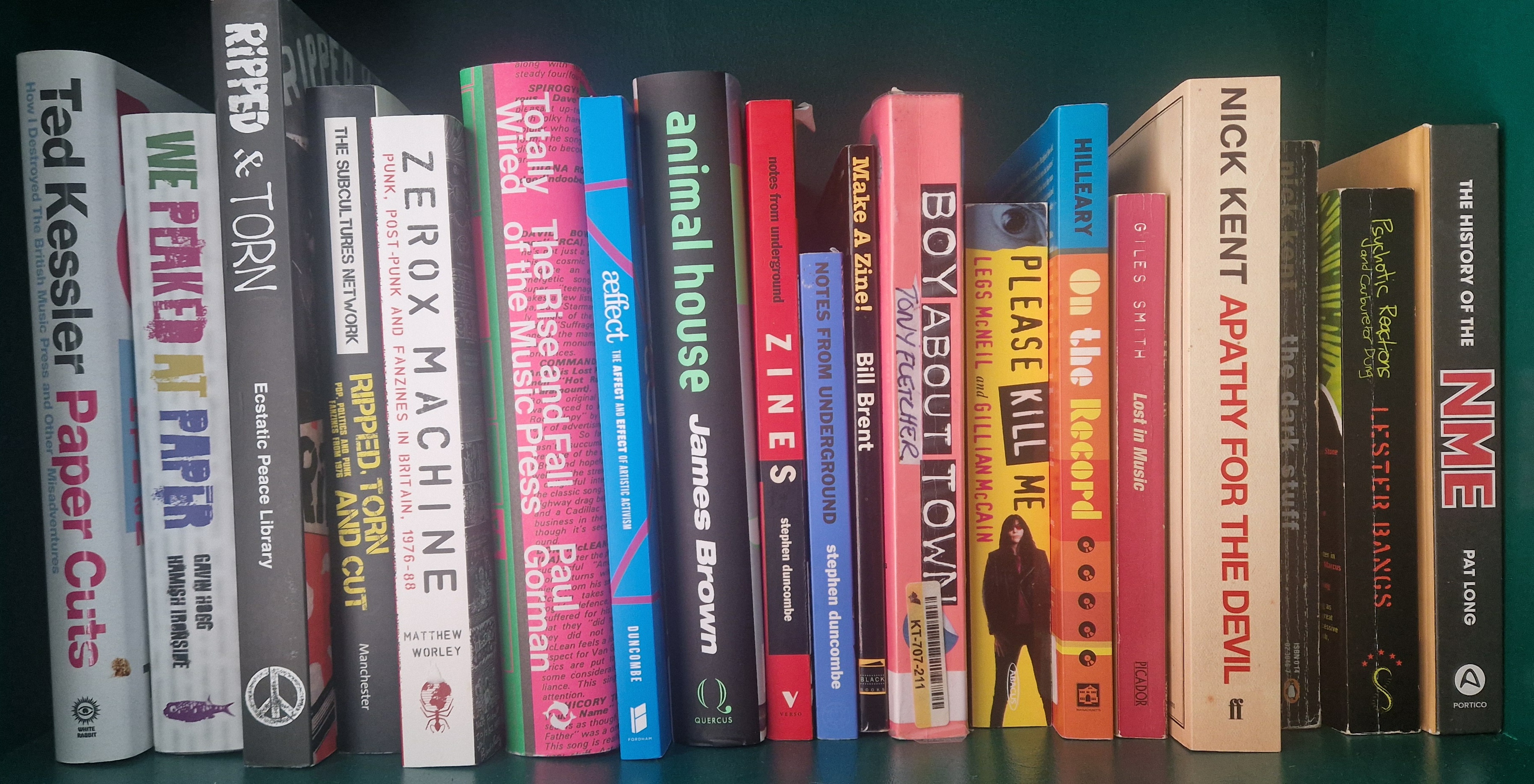
At the risk of stating the bleeding obvious, ‘zine’ is short for ‘magazine’. But rather than being produced by a big printing or media company, they are small scale DIY affairs, often written, printed, and distributed by individuals. They are often written by fans of the subject they are writing about, hence the term ‘fanzine’. (If you have read this far, you probably knew that anyway. If you want to know more, there’s a huge range of books an podcasts available on the subject. We highly recommend Tony Fletcher’s Fanzine Podcast, which has featured James Brown (episode 16) and yours truly (I’m on episode 31).)
Zines are postcards from Geeksville. They are made by people passionate about a subject, documenting that passion, creating a historical record of a scene and spreading the word. I would be lying if I said that I don’t get a buzz when someone tells me that they have enjoyed reading something I have written or that they discovered a new favourite band after learning about them from me. But with few exceptions, zines have a limited readership, so you need to just love creating zines (in my case I love writing) otherwise you’re going to have a life of frustration, disappointment and anger with a world that is just too ignorant to understand you.
Being a music geek, when I think of zines I mostly think of music fanzines. When punk rock came along in 1976/77, kicked over the tables and declared everything that had gone before to be bourgeois, the DIY aesthetic of punk rock suited fanzines down to the ground. As a result there was a huge explosion of DIY punk zines covering bands and scenes that the major music press didn’t want to cover, didn’t understand or simply didn’t know about.
But zines had been around for many decades prior to punk rock, starting off with science fiction fanzines back in the 1920s. And the subject matter of zines is limitless. From music, football, travel, fashion, books and movies, to cookery, cats that look like Hitler, mental health, computer games and hill walking. There are even zines about zines.
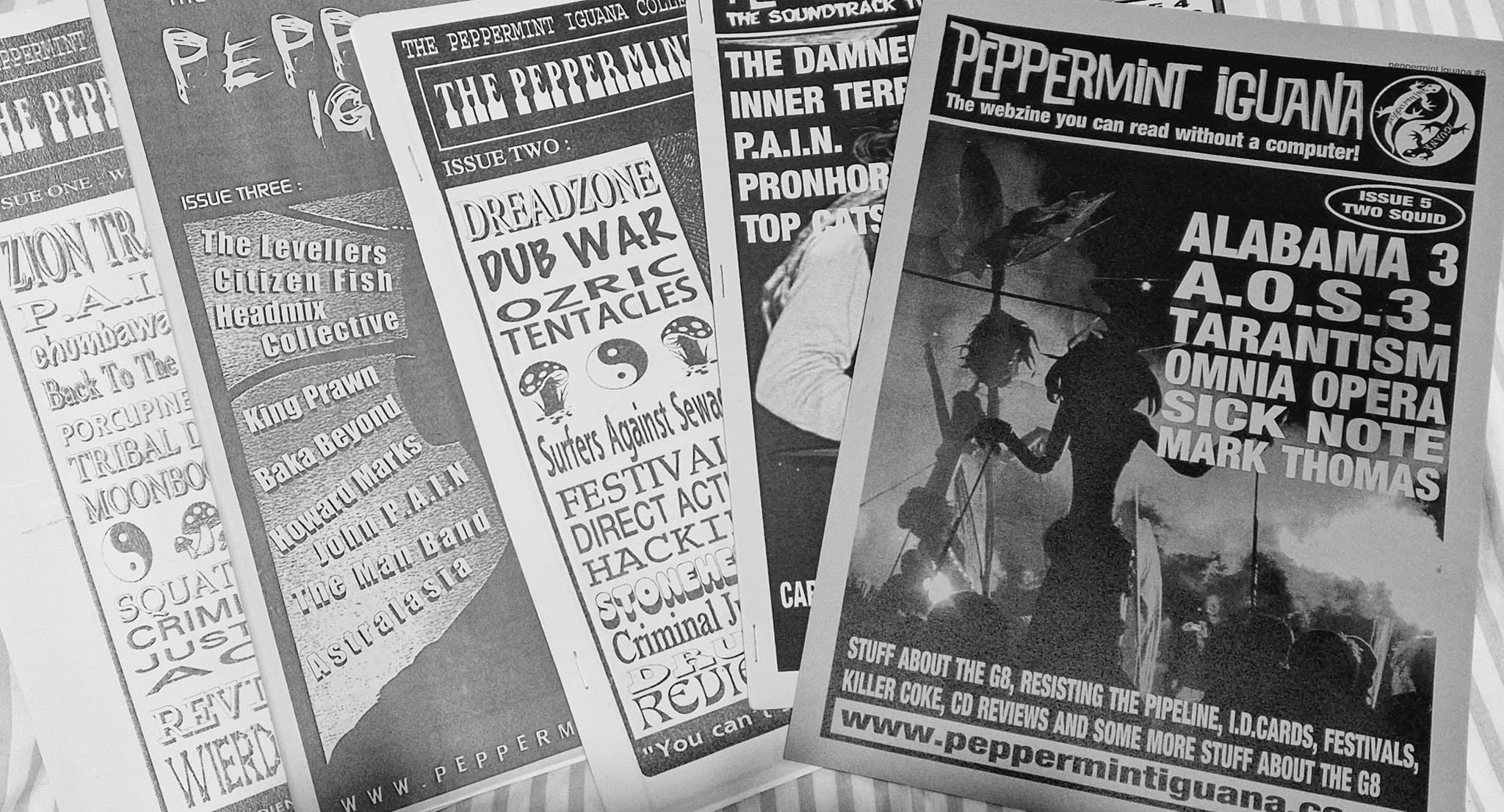
For some zine makers the pleasure comes from the writing, for others the joy comes from the hand-crafting of physically putting a zine together, collating the pages and stapling them together. Some don’t even put words in their zines, they just collate photographs or artwork. Traditionally hand-drawn or typed and literally ‘cut and pasted’ together, the advent of the office photocopier made it easier to print things guerilla style and desktop publishing software means zines can look as professional as magazines printed by a multinational company. If that’s what you want.
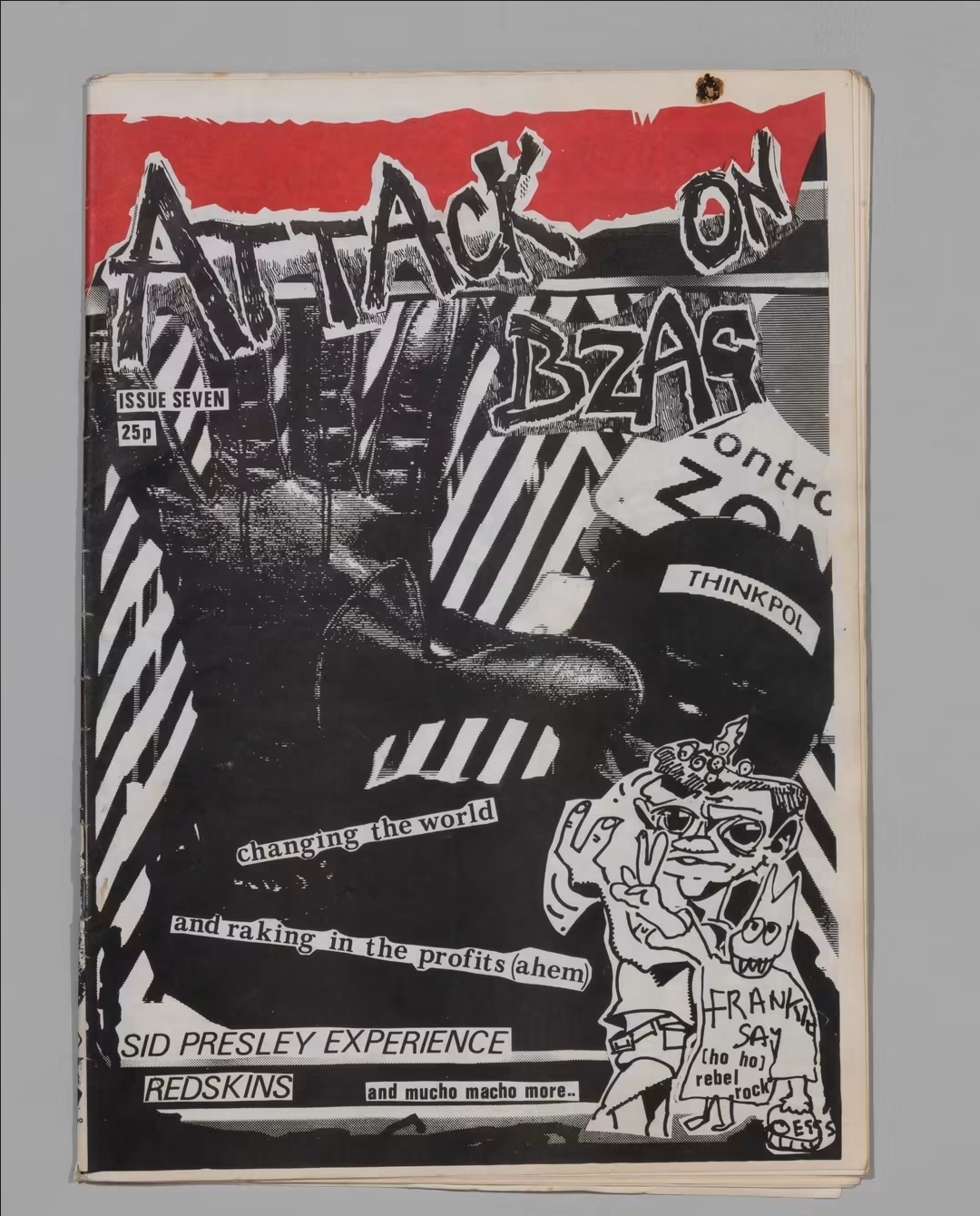
James Brown has covered all bases. he started out with his self-produced punk zine Attack on Bzag, landed himself a job with Sounds, moved on to the New Musical Express, then went off to launch Loaded, which literally changed to magazine market for ever. He went on to work on GQ and a string of other well-known publications too numerous to mention here – because this is a blog about fanzines. not magazines. He wrote an autobiography Animal House (review here) in 2022, then earlier this year put out what he describes as the ‘dub plate’ of the book, a more visual reflection of his career, with photographs and cuttings of some of his work – Zine Age Kicks ( review here)
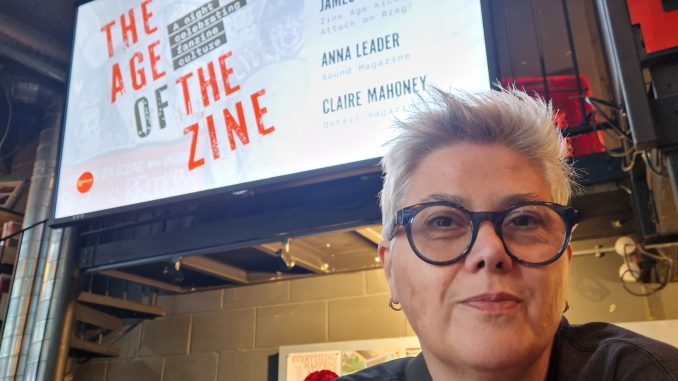
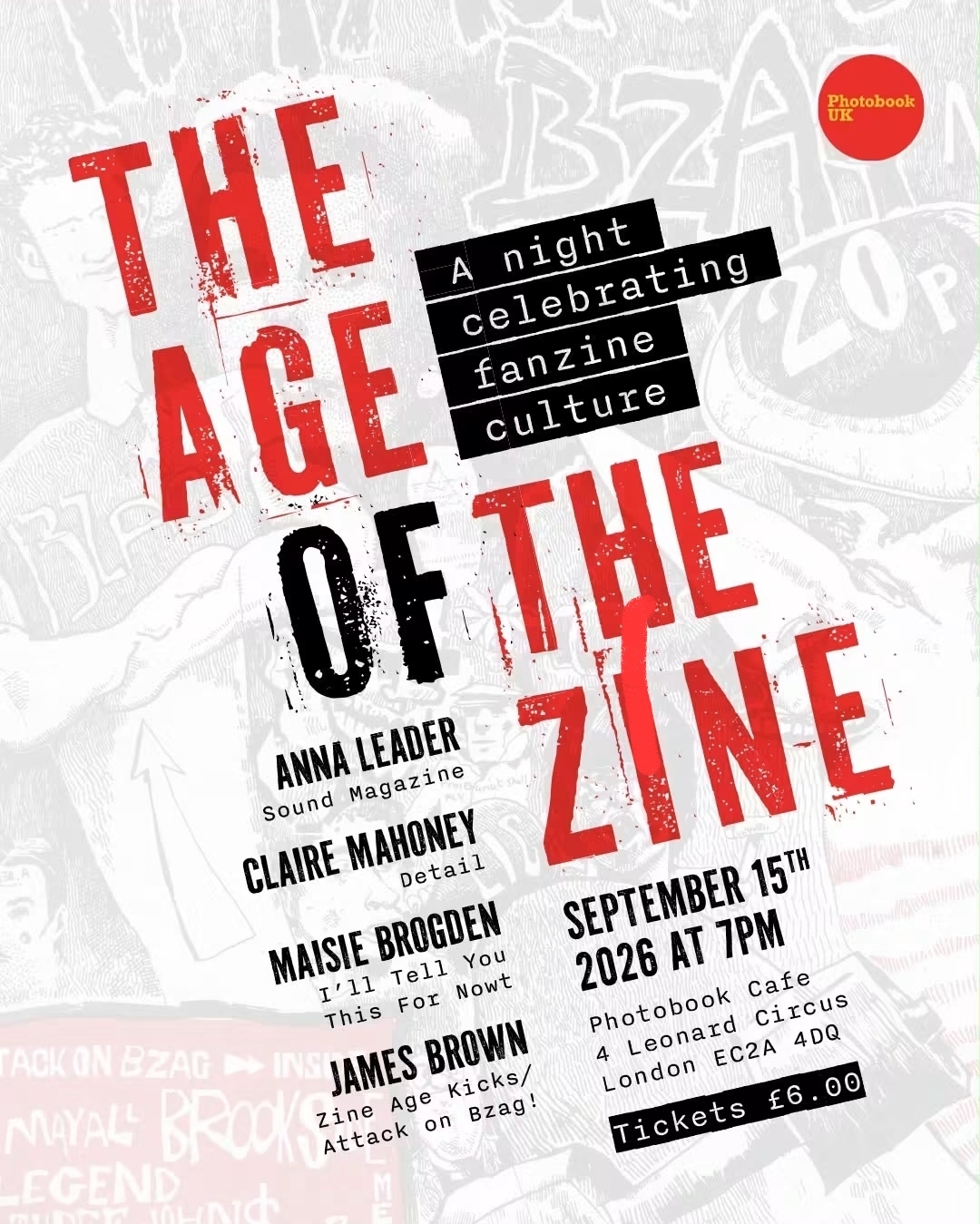
A few weeks ago we noticed that James was organising an evening with a few other zine producers in The Photobook Cafe, Shoreditch. A quick look at the diary revealed that conveniently, we would be London to coincide with the event, to shout things like “NO, YOU NEED TO USE THIS REMOTE CONTROL FOR THE SKYBOX, THAT ONE JUST TURNS THE TELLY OFF AND ON” or “NO, IT’S DAVID MILIBAND, THE HOME SECRETARY. HE’S GOT NOTHING TO DO WITH THE GLEN MILLER BAND” and “PUT YOUR BLOODY HEARING AIDS IN” at elderly deaf relatives. Tickets were booked.
Shoreditch is a textbook case study in gentrification. Sat in the heart of the East End of London it was once a very working class area with factories and warehouses sited conveniently with good access to the nearby historic London docklands. Jack the Ripper was one of its famous residents.
As the docks declined, so did the warehouses and factories and the area became quite rundown. There was an influx of migrants into the area to take advantage of the cheap property. The famous Brick Lane, with its abundance of Indian restaurants, being one of the multicultural results.
In the early 1990s the classic stages of gentrification began. Artists and bohemians moved in to take advantage of cheap space, inevitably making the place ‘cool’. At the turn of the century the new breed of hipsters started moving in with their achingly perfectly sculpted beards, mugs made out of jam jars and cafes selling bowls of imported Mongolian Sugar Puffs for twenty quid a pop (To give it a ‘local’ theme, they called it The Cereal Killer Cafe).
In the 2010s big tech companies moved in. Old Street became knows as ‘Silicon Roundabout’ because of the presence of the likes of Google and Amazon setting up shop there. The average flat price rocketed to £500,000, with modest houses going for over £1,000,000 – well above the London average. And inevitably pricing out the creatives who made the place so cool in the first place. It is a story repeated time and time again all over the world (see recent blog about Berlin)
Ironically, the last time we were in Shoreditch was for an event put on by Alternative Wales Zine in The Valley football bar (review here). I had completely forgotten about this until we walked out of Old Street Station and Megan recognised the surroundings.
I had mentioned to my darling wife that Rough Trade East was around the corner but the look in her eye told me we weren’t going on another record shop walking tour, so we hit the pub. The Angel to be precise. We wanted food but the Photobook Cafe stops serving food at 2pm (although they have a deal with a local pizza company so you can get it delivered to your table). After vegan bangers and mash washed down with a pint of Aspall Cyder, we headed up to the Photobook Cafe.
The Photobook UK operates as a not-for-profit organisation dedicated to supporting photography, publishing, education, and community engagement. Alongside our venue hire programme, we deliver a year-round schedule of exhibitions, photobook launches, artist talks, workshops, work experience placements, youth engagement initiatives, and work-based learning opportunities. We are also home to a unique photobook collection, accessible both onsite and online, providing a valuable resource for photographers, students, researchers, and the wider public… It is a hub for independent storytelling, a place where new ideas can grow, underrepresented narratives can be seen, and the future of photobook culture is shaped by a broader and more diverse community. https://www.photobookuk.org/ourstory
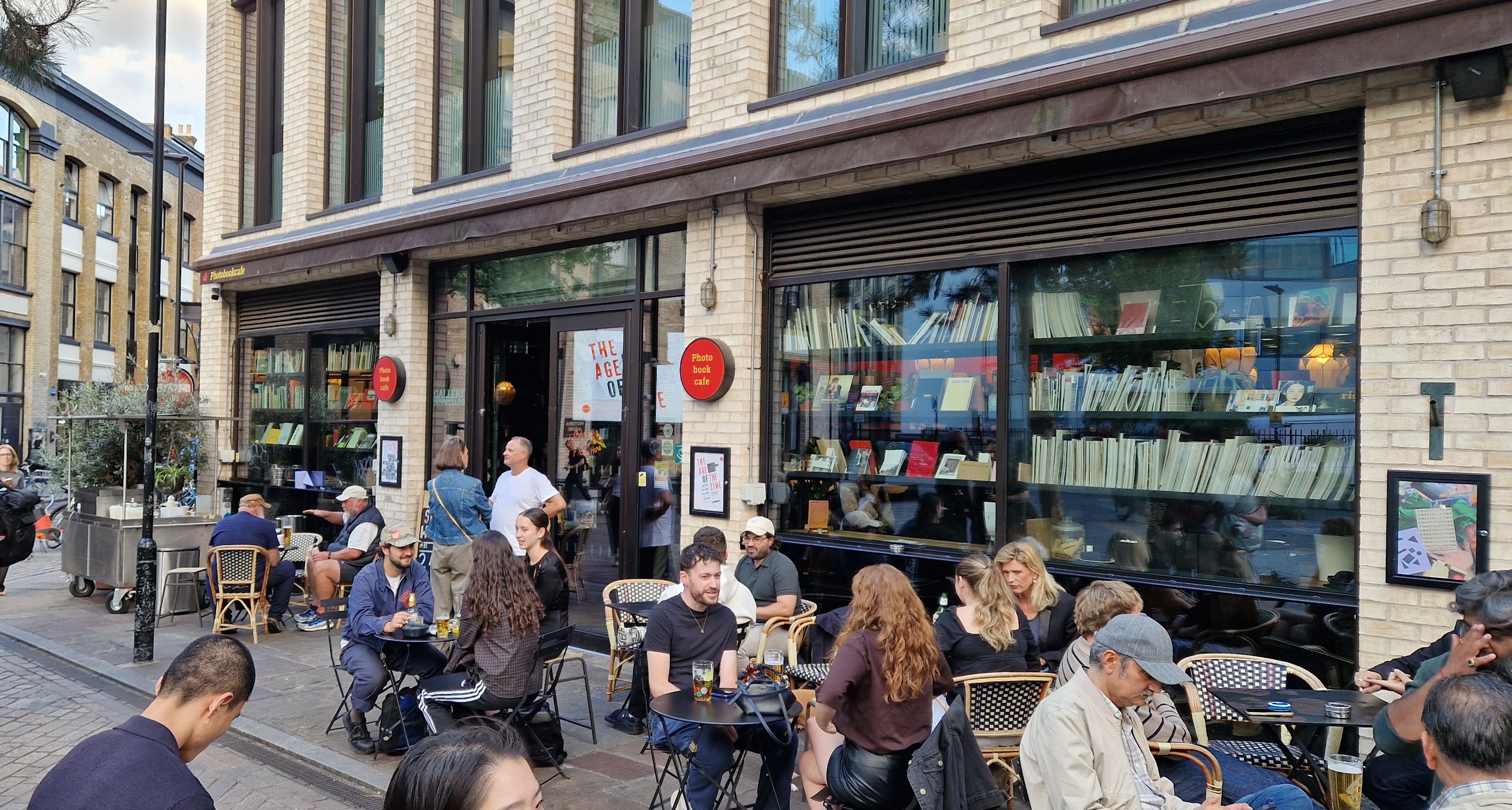
It sits on a junction between two pedestrianised streets and you have to watch out for the steady stream of cyclists on a mission, heading in all directions clutching Waitrose shopping bags, roll top backpacks and designer dogs in papooses. There are lots of people sat outside drinking and we head inside to the bar. There’s a sign on the bar that says ‘No Laptops After 5pm’, which should give you an indication of the clientele they attract.
Just in case you think I am being an anti-gentrification inverted snob here, whilst I’m more at home in a spit n sawdust pub with a sticky floor, angry dogs and an abusive landlord, I’m not totally opposed to the idea of sitting in a bar surrounded by photobooks, drinking coffee and blogging away on ye-olde laptop. They even have weekly zine making workshops.
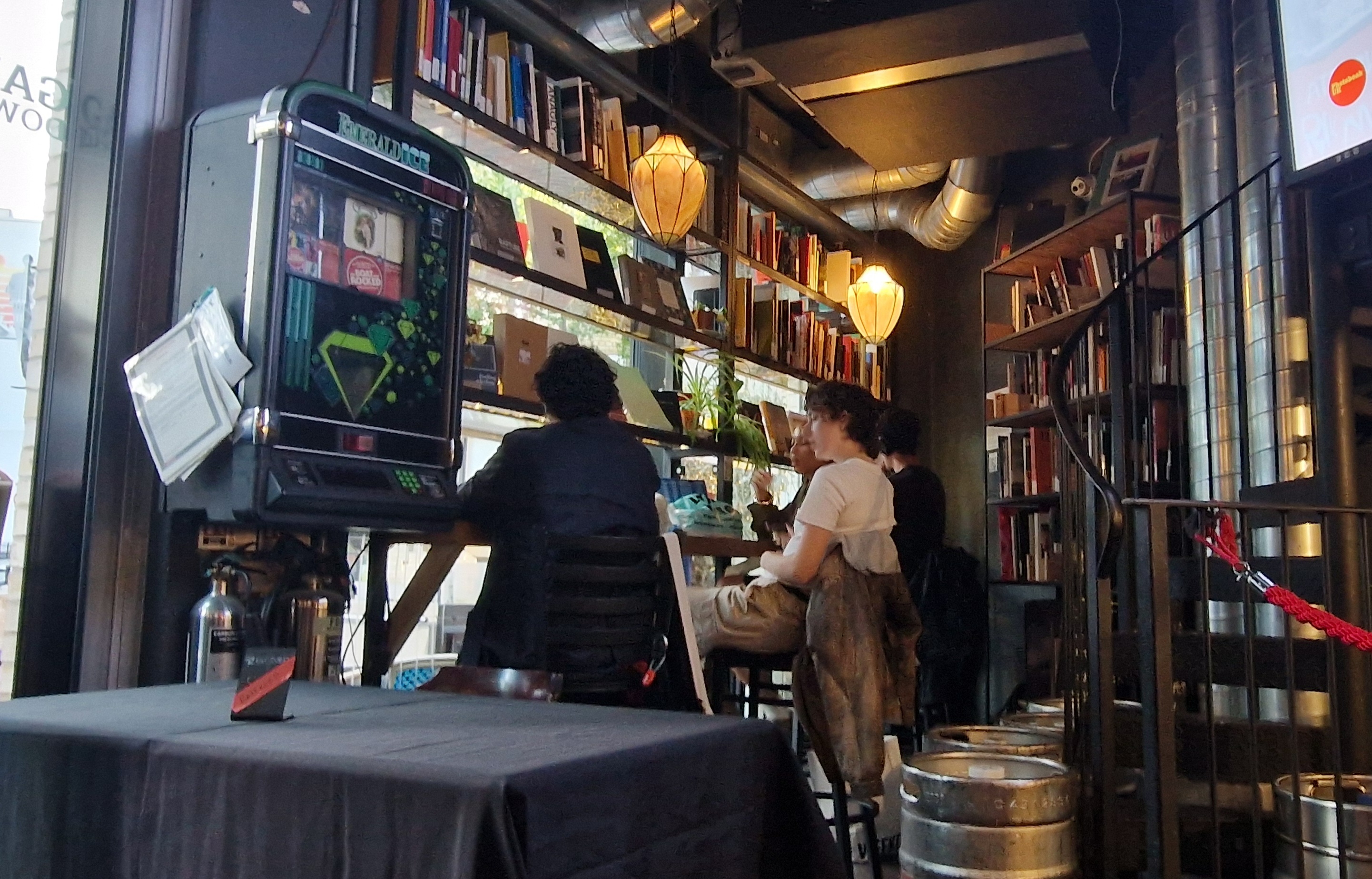
We grab a bottle of craft cider and watch the world go by. James Brown spots us and comes over to say hello, wondering if we had travelled from Wales just for him. When he learns that Megan has family in Croydon, he announces, “I once saw The Fall in Croydon”. What was I saying about geeks?
Eventually the cellar studio opens and we rush down to grab seats. Apparently they have sold fifty tickets and there clearly ain’t fifty seats.
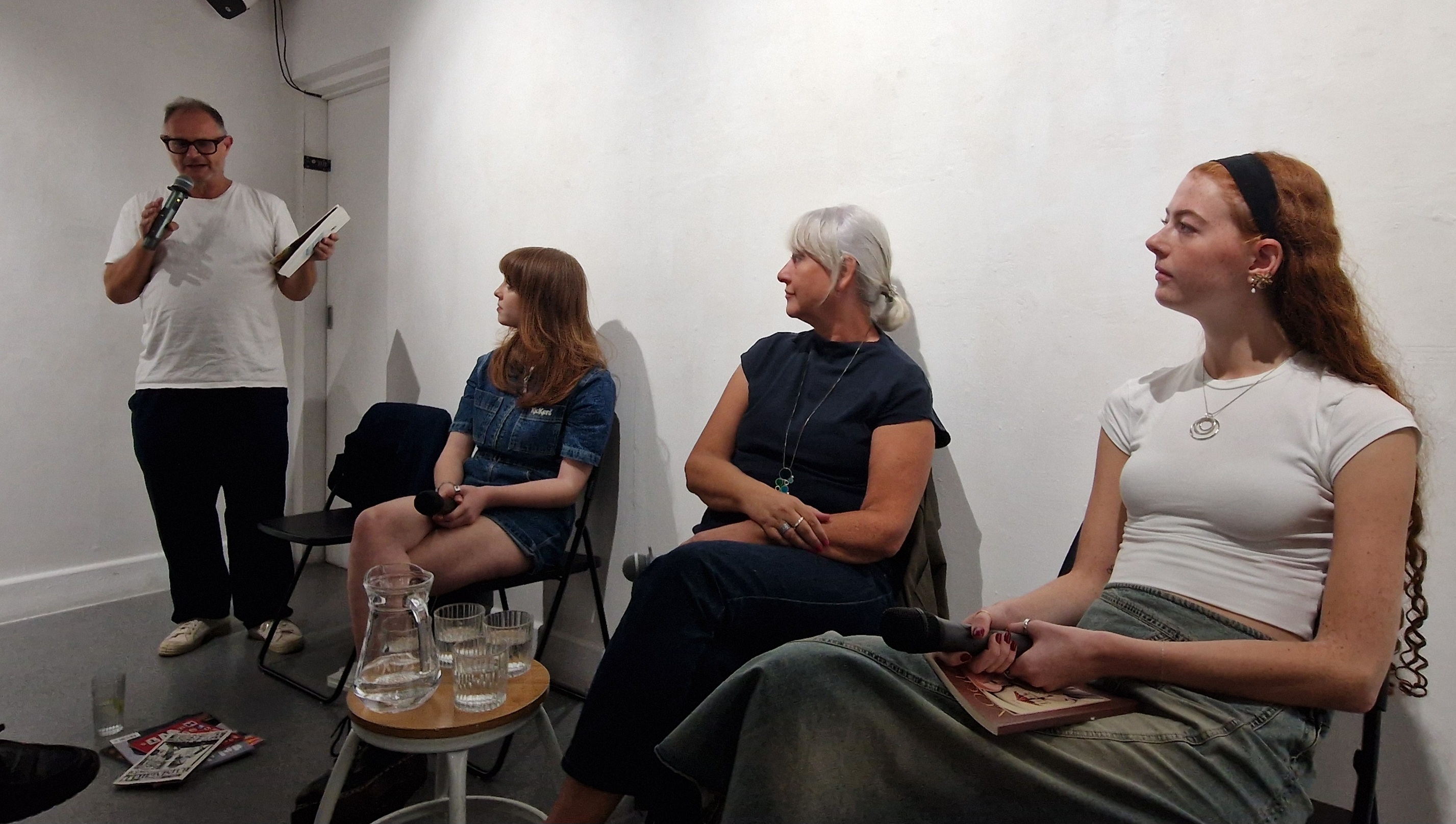
There are four zine makers on the panel, coming from different angles. James will be talking about the zine he produced forty years ago, whilst the other three will be talking about newer contemporary zines they produce.
Whilst the internet and the arrival of blogs and websites heralded a decline in print media, zines, just like vinyl, CDs and cassettes, are making a bit of a comeback.
When I’m dead and pushing up the daffodils, I’m pretty sure Megan won’t take over paying website hosting fees, so all this hard toil will disappear forever. A zine is a good way to keep things alive for future generations to reflect on the state of the scene today. And as a writer, whilst it is liberating to have the freedom to drone on and on with no word count limit (congratulations if you have made it this far without falling asleep) a physical zine does sharpen the focus and hopefully reduce the chances of the reader giving up through exhaustion.
So, who do we have?
MAISIE BROGDEN
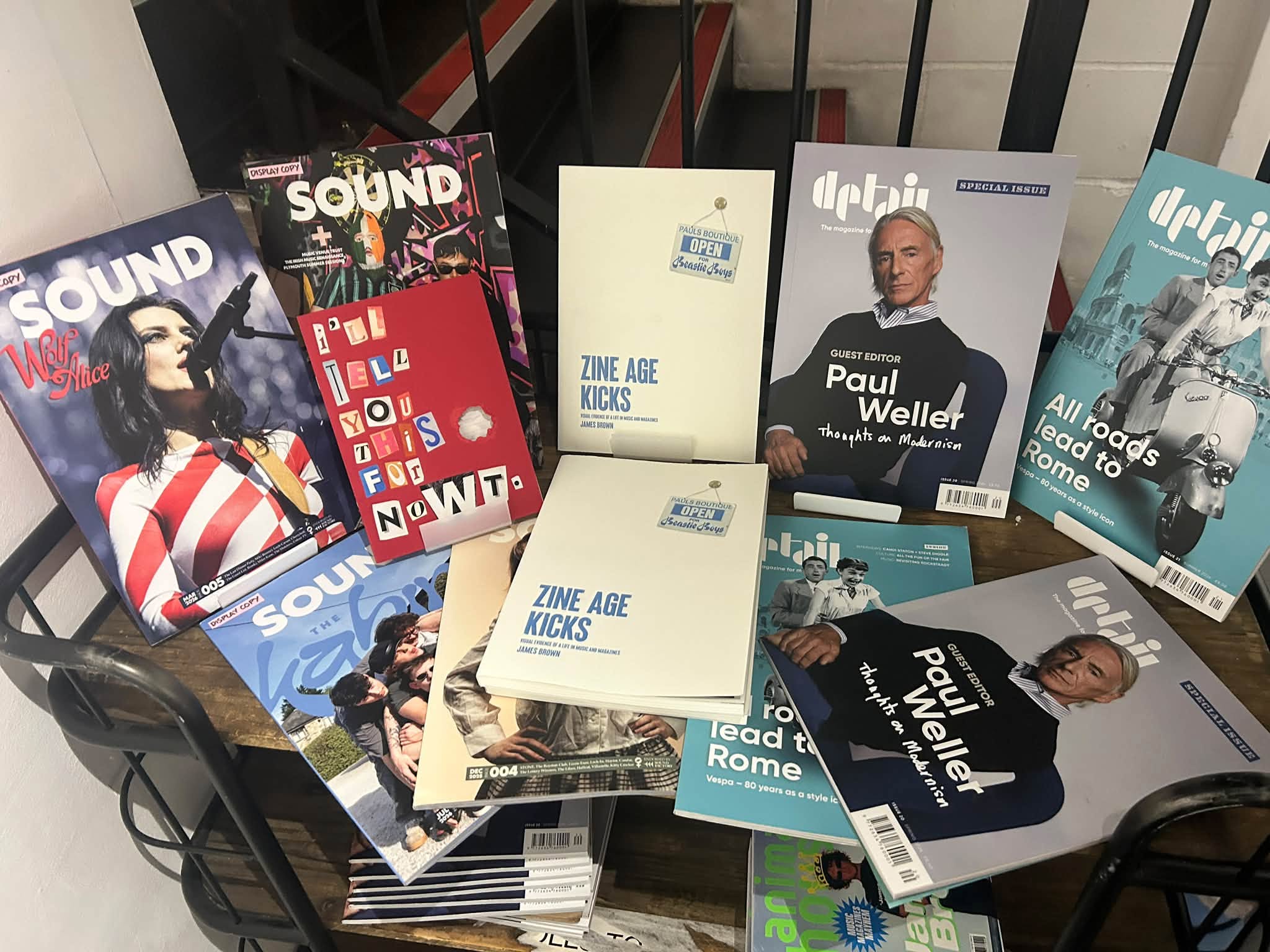
Maisie is a recent graduate from a degree course in music journalism – I could tell from the look on James’ face that he was also marveling at the idea you can do a degree in music journalism these days. As part of her degree she produced a fanzine, ‘I’ll Tell You This For Nowt’, which included an interview with James. He had declared her to be the best interviewer he had been questioned by, so had asked her to come along and ask questions of the other panel guests.
I’ll Tell You This For Nowt (or NOWT if you fancy)!! We believe fans make the world go round. They give the scene colour (ignore the irony that everything you’re about to see is black and white). Today’s music press is a promotional circus: lions roaring “listen to this!” and ringmasters begging that you buy that. What if there was a place just for stories – no ulterior motive, no campaign strategies – just fans gathering like old friends, jabbering about all the things they’ve seen and made happen. A place for all the people behind the scenes whose tales are seldom told. Roadies. Photographers. Writers. The ‘ordinary people’ behind the curtain – kids in the crowd not on the stage. NOWT is for them. An exclusive ‘about the fan’ zine. Because no matter where they end up, everyone is first and foremost a fan. A lover of something, a dreamer of somewhere. And whether you snap, scribe, sing, sell, sketch, design sets or just sit back and enjoy, it all starts with a blank sheet of paper and a story to tell. Why not tell it for nowt? I’ll Tell You This For Nowt – Maisie Brogden – UNITOM
Maisie is bright, articulate and passionate. And passion is essential. As she pointed out, “If you’re passionate about something, others will be interested in reading what you have written. If you’re not passionate about what you have written, how can you expect others to be passionate about it?”. As Bill Brent said in his book ‘Make a Zine’, “Passion sees you through times of no technique, better than technique sees you though times of no passion”.
I produced my first zine ten years before Maisie was born. The world has changed significantly since then and people’s media consumption habits have changed several times. The fact that young people are still interested in zines – or should that be interested in zines again – shows that some formats, like teenage dreams, are hard to beat. Her zine adopts an old school aesthetic, A5 (the classic A4 folded in half and stapled) with hand drawn artwork and a font that mimics the typewriters of old.
ANNA LEADER
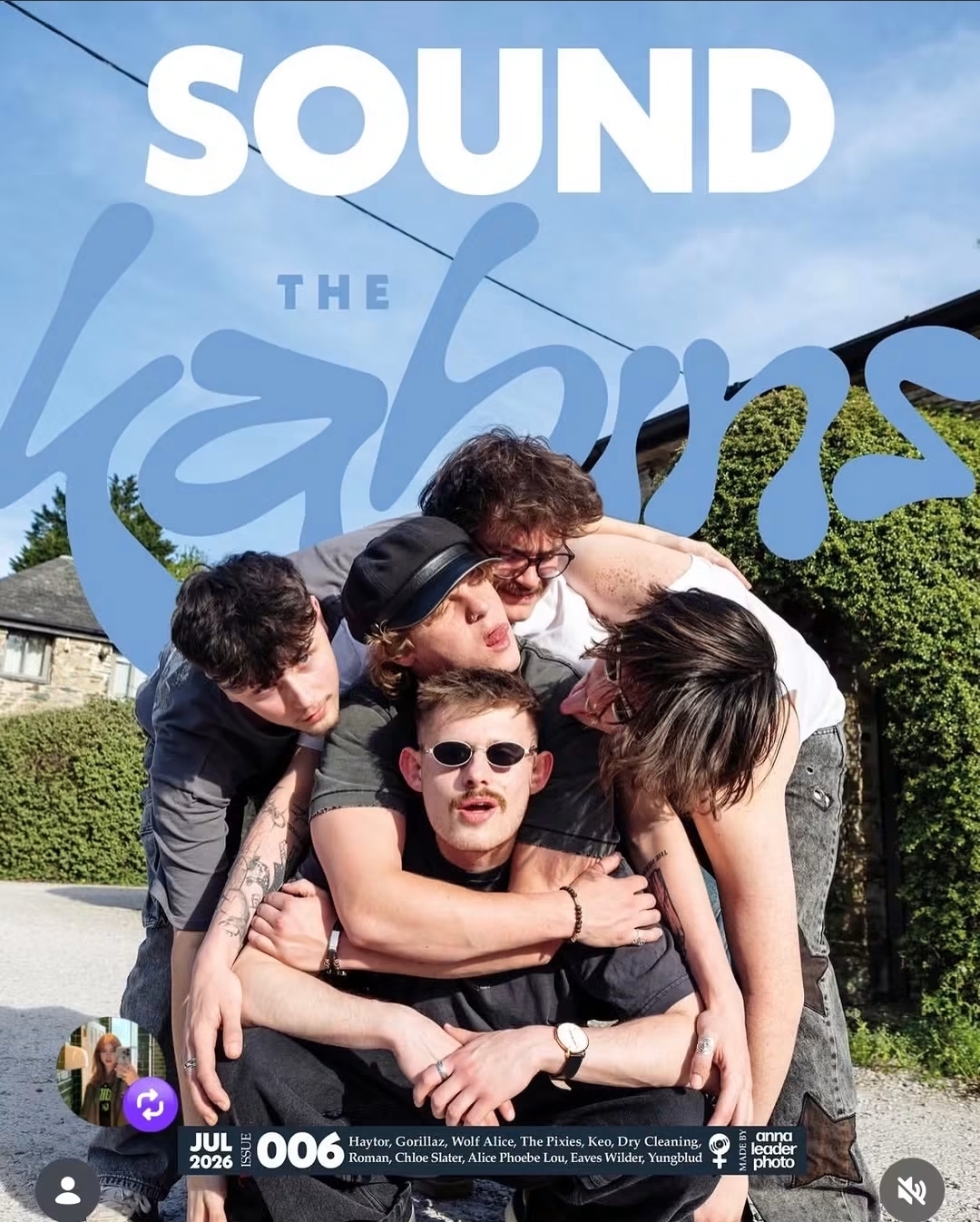
Anna’s zine Sound also grew out of a university course, but her focus was photography.
I’m a music photographer specialising in live and promotional work. Based in the South West, I’ve worked across the UK and Europe with artists, venues, agencies, magazines, and management teams to produce atmospheric, high-quality imagery.
I am an in-house photographer at Plymouth Arena, have been hired by Kaiser Chiefs to shoot their Home Park Stadium, have assisted on an NME cover shoot and I also operate as a part of the core team at Sound Factory, a Plymouth-based music promoter, where I work across photography, design, and bookings.
I also founded SOUND Magazine, an independent publication focused on emerging and established indie artists, with an emphasis on female perspectives within the industry. In its first year, SOUND has built an international readership, with print editions distributed internationally. www.annaleaderphotography.com
Again she is enthusiastic. Her zine is A4 and, as you would expect from a photographer, is visually eye-catching. Recent issues include interviews with Woolf Allice, Royston Club and Kneecap.
CLAIRE MAHONEY
Cardiff-based Claire has come to the world of zines from an unusual, but not unique, route. Most people start a zine in their youth – although I was in my thirties and married with kids when I started Peppermint Iguana Zine. James Brown, was fortunate enough to use his youthful zine as a stepping stone into the world of national and international publishing. Claire worked backwards: she had been working in the magazine industry for twenty five years before she decided she wanted to publish a magazine she was actually interested in rather than publishing for other people. And thus Detail was born.
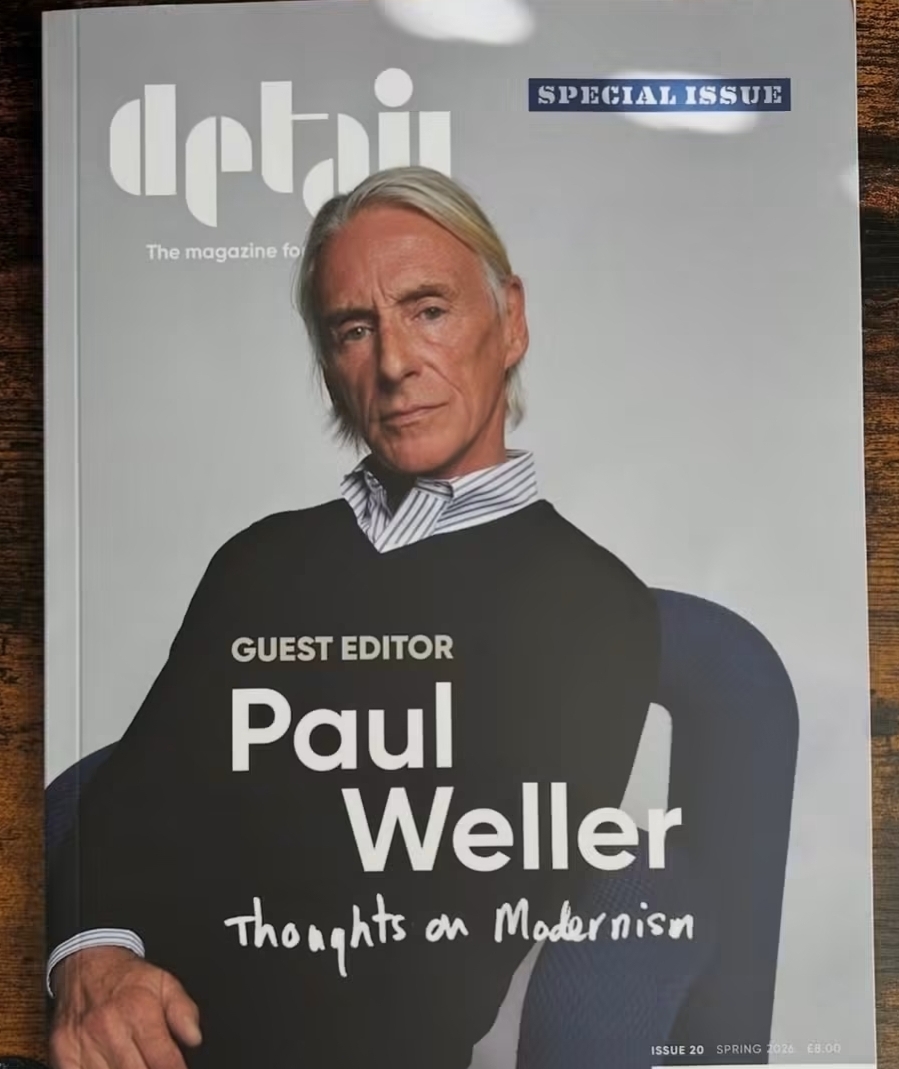
Detail is a print publication dedicated to offering a more in-depth look at the UK’s most stylish subculture – Mod.
We cover style, culture, music, film, fashion from a modernist angle with in-depth features from some of the ‘scene’s’ most enthusiastic wordsmiths including Paul ‘Smiler’ Anderson, Eddie Piller, Ian Moore, Tim Vickery and Graham Lentz. We match this with top-notch design, illustration and photography to create a bespoke reading experience that digital publishing hasn’t yet been able to match.
Since its launch in September 2020, Detail has been making waves in the mod scene. The project was launched as a Kickstarter campaign and reached its target in less than a month. It was also chosen by Kickstarter as one of its projects of the week. ABOUT DETAIL magazine : Modernist Culture
As you would expect, the zine is professional. Very professional. No photocopiers or long-arm staplers were used in the making of this little beauty. But it is still a love letter to the Mod scene from long-time Mods, so still qualifies as a fanzine. For now.
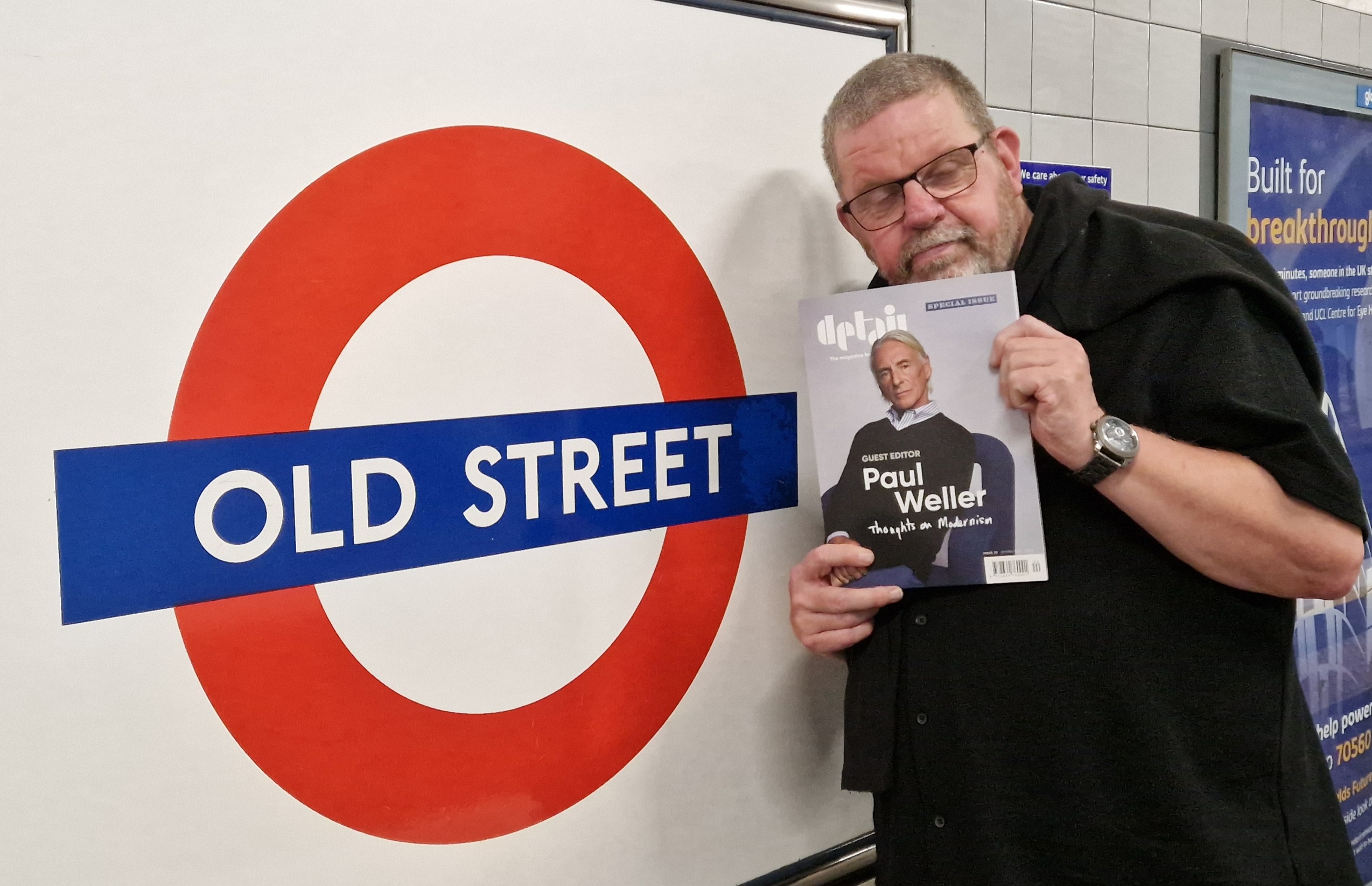
Issue twenty was guest edited by the Modfather himself, Paul Weller. And as James points out, his impeccable taste shines through with his choice of articles.
In 1980 I had a ‘run in’ with some mods in Cardiff bus station because I was wearing bondage trousers. “What’s up with you man? Punk is dead, get with it, mod is where it is at”. I politely disagreed. Things could be a bit tribal back then – not to mention violent. I managed to talk my way out of a kicking though. Things are less tribal these days but I still had to think twice about buying a modzine. I’m glad I did though, cos it is a bit of a corker.
JAMES BROWN
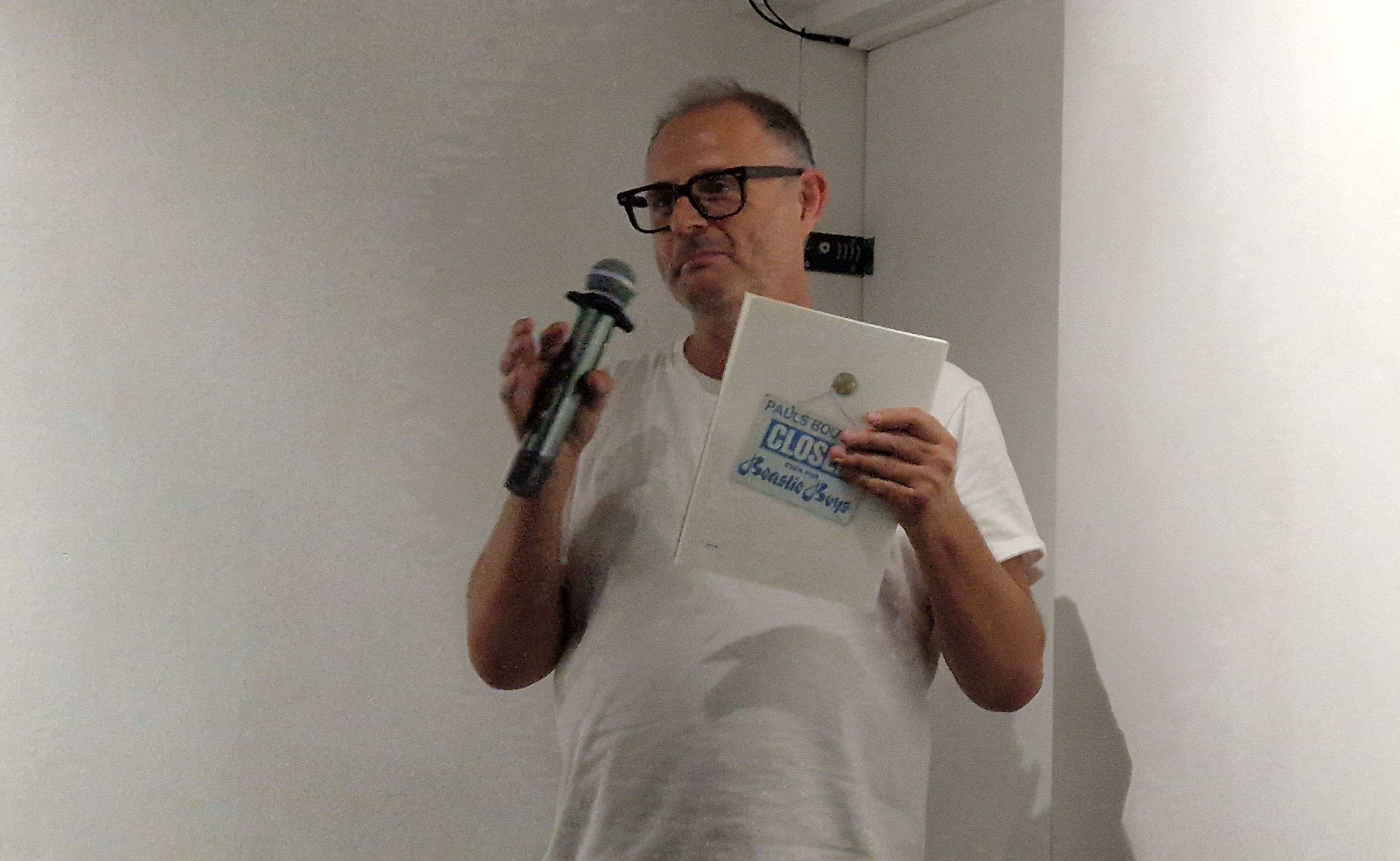
James doesn’t really need an introduction (if he does, read my review of his autobiography here). But despite his fame and fortune, he is incredibly down to earth, affable and he still has a genuine passion for zines. He is here, in the cellar of a cafe in Shoreditch, helping to promote other people’s zines, give advice, share knowledge, talk about his old zine and sell his latest zine. Although he had to get Mark, from Walthamstow Rock n Roll Book Club, to do the business cos he was struggling with these new fangled card readers.
I chat with Mark and he asks what magazines I regularly buy. It occurs to me that the ‘proper’ magazines I buy are non-music related. Titles like Delayed Gratification, Left Cultures and The Oldie with a few travel magazines thrown in for good measure. I used to be late for work on a Thursday because I would not leave home till the NME had arrived. I used to read Select and still have a complete collection of every issue of Vox. I used to occasionally pick up Mojo or Vive Le Rock, but most of these magazines are very nostalgia focused. As much as I love them, there’s only so many times you can read the story of Pink Floyd, The Clash or The Damned. I’ve recently started checking out Shindig but, again, it can be quite retro. I suppose this emphasises the need for zines in today’s world. If you want to read about what’s going on today, rather than recycle your youth, zines is where it is at.
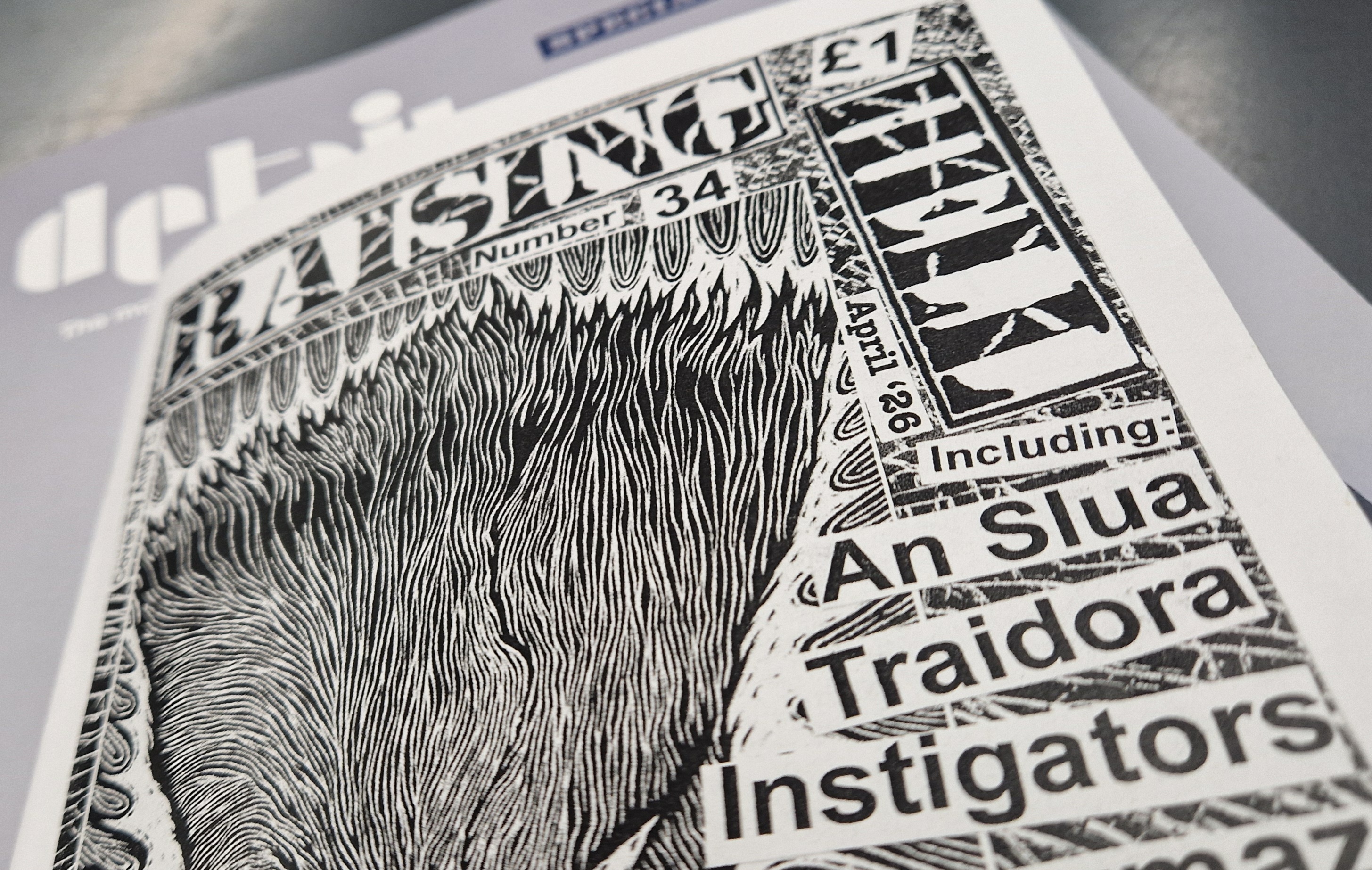
When James started out in the world of zines, he co-produced Attack on Bzag with his mate Ben. Affer a few editions, they went different ways due to what James described as “differences over volume” with Ben set up Raising Hell Fanzine, which went down a more hardcore route. Raising Hell published between 1983 and 1990 before folding. However, Ben revived the zine in 2022 and he is here tonight and has recent issues with him. It is an old school A5 zine with that hand-printed aesthetic. He’s knocking them out for a quid, but doesn’t have change, so trusts me to PayPal him later – that’s another thing about the world of zines, it’s geeks supporting each other, like one big happy family.
Eventually it is time to head off and we soon find ourselves going underground with a Paul Weller zine in hand. ‘Down in the Tube Station at 9:15’ doesn’t have quite the same ring as the original, but hey, we are in Old Street.
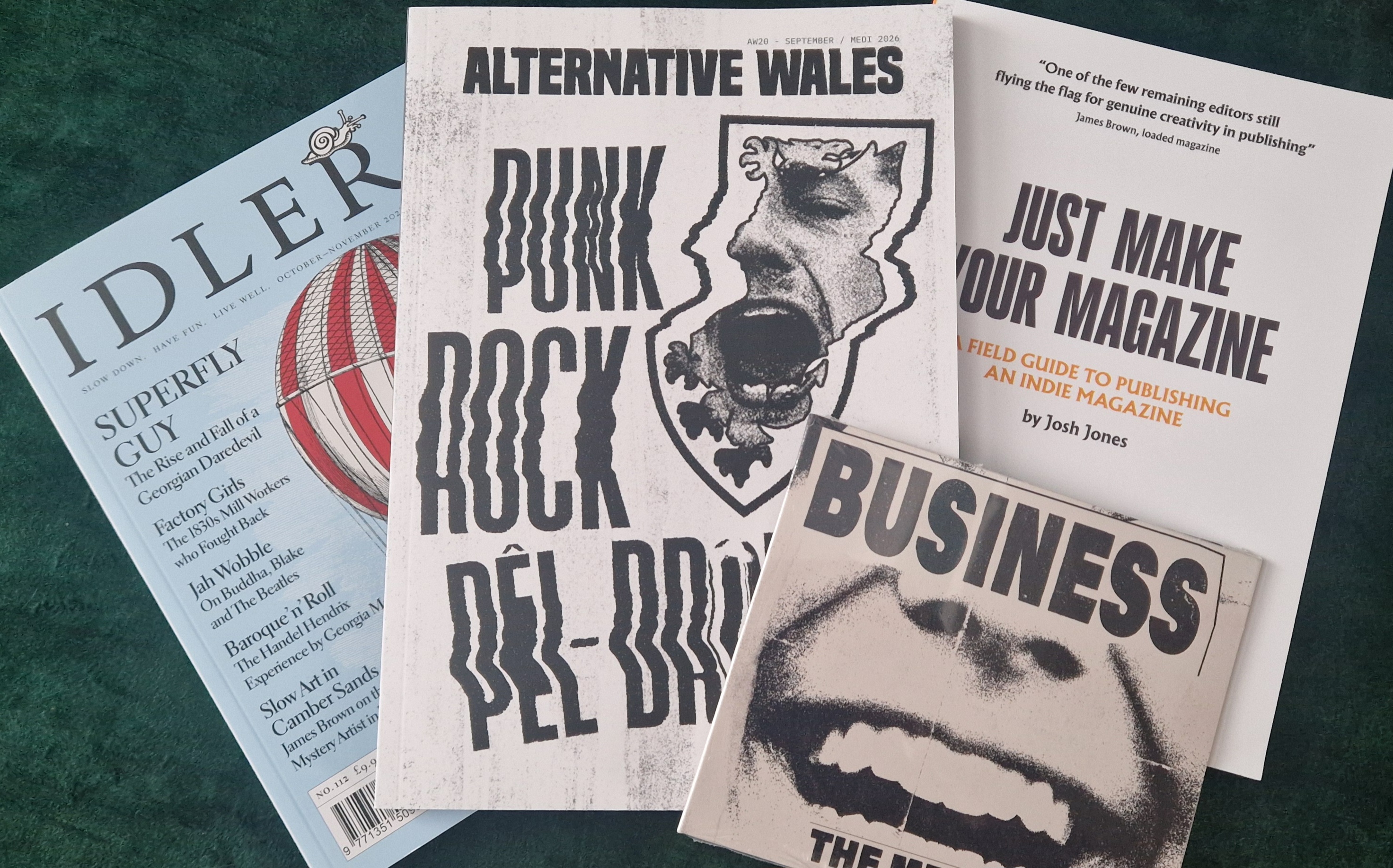
The next day I am back in Wales and checking out what Captain Postie has dropped onto my doormat whilst I have been away. I am welcomed by the new Meffs album to listen to and review, the latest Alternative Wales, which is a rather splendid punk-football special (probably their best issue yet), a book on making magazines that I had spotted whilst going through the Photobook Cafe resources page, and the latest copy of Idler – which helps me feel okay about my chronic procrastination and being too lazy to finish the zine I have been working on for the last year. They say you should write about what you know about. Maybe I should do a zine on procrastination. Yes, I think I’ll do that. Next year.
In the meantime I have a shed full of new zines to read, study their layout and be inspired by. And perhaps review when I should really be working on my own.
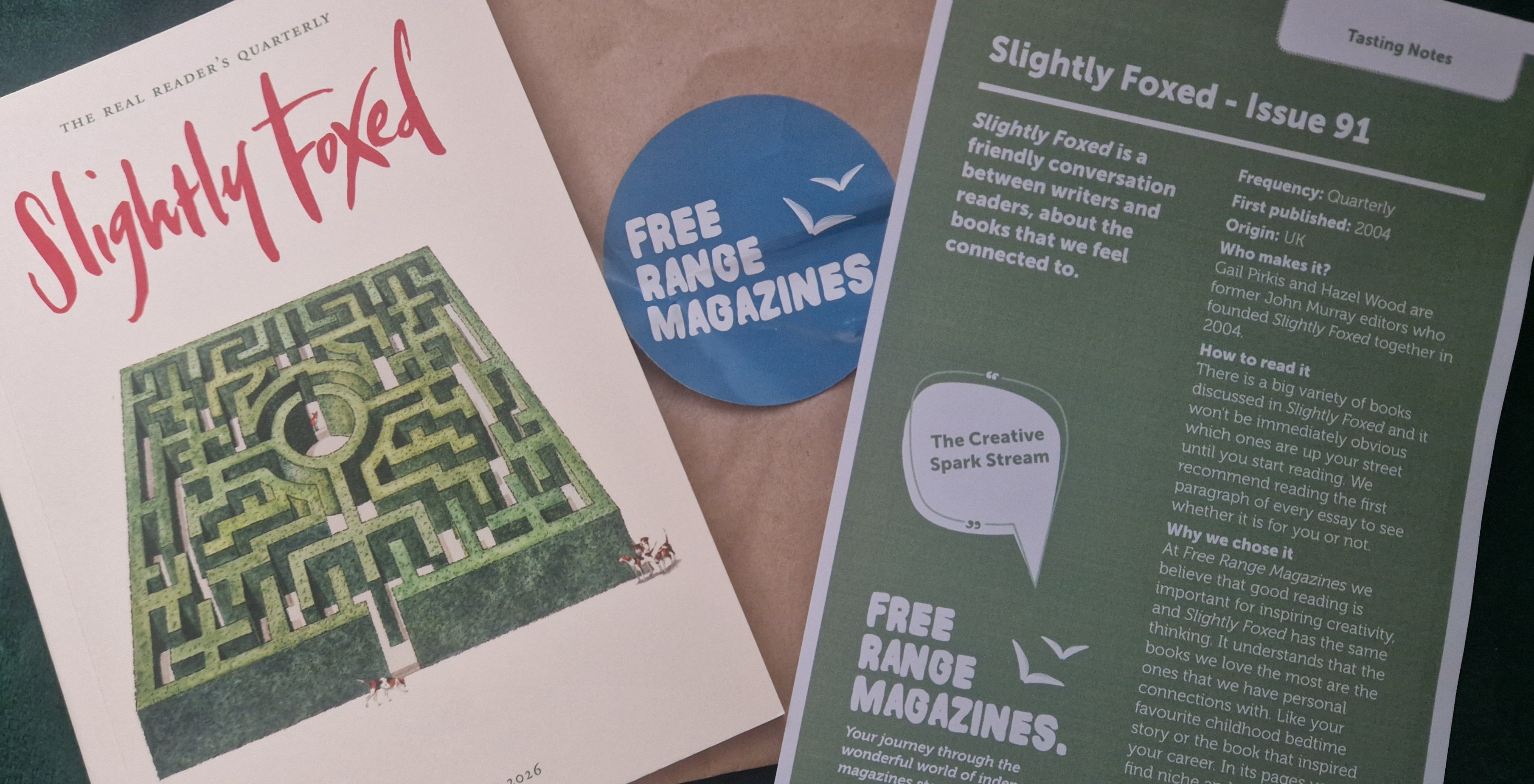
Ah, hold on, what’s Postie bringing now? Eek. It’s the latest ‘mystery zine’ from Free Range Magazines – Slightly Foxed.
A reader’s journal, not a place of summaries or of-the-minute reviews. It glows with depth, wit and passion. Sounds like a zine to me!